AI 智能体入门 — 实用指南
AI 智能体简明解释:工具、规划、记忆与循环。了解何时需要智能体 — 以及何时单个提示词已足够完成目标。
什么是 AI 智能体?
A founder demoed an “autonomous AI agent” that booked flights, emailed investors, and updated the CRM — until it emailed the wrong investor a draft meant for internal eyes. The model was fine; the loop had no approvals, no logs, and too many tools. AI agents explained honestly start smaller than keynote slides.
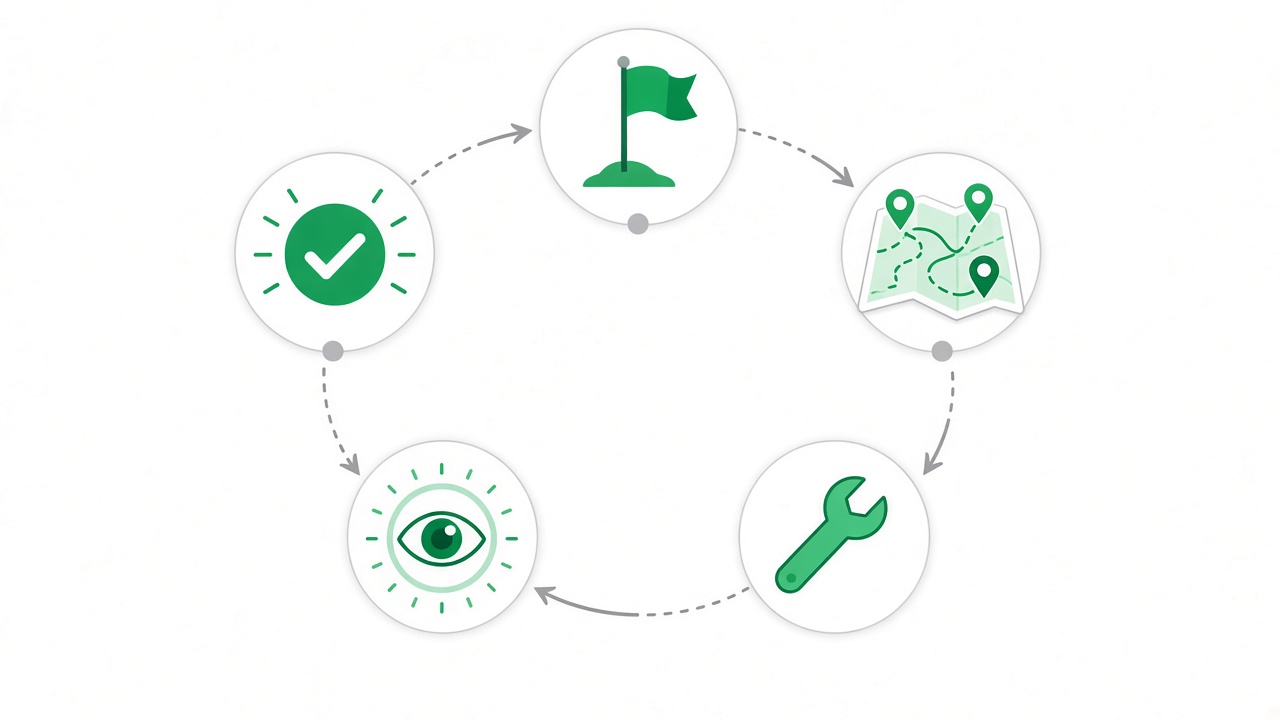
AI 智能体用模型规划步骤、调用工具并循环直到达成目标。不同于单次 ChatGPT 回复,它可在步骤间搜索、写文件或调 API。
Why AI 智能体 解释 Matters
智能体 hype 超过理解。定义工具、规划与失败模式的入门文能排「AI 智能体解释」并支撑技能路径。
The Story Behind AI 智能体 解释
Agents versus single replies
A chatbot answers the latest message. An AI agent uses a model to plan steps, invoke tools, observe results, and loop until a goal is met or a guard stops the run. That loop is what enables research across URLs, file edits, or API calls between “thoughts.”
Hype conflates agents with magic autonomy. Practical agents are narrow: one domain, one tool at first, hard step caps, human approval before side effects. Most business value is reliable automation with logging — not an open-ended digital employee.
Before you build an agent, ask whether a single well-structured prompt plus retrieval already solves the task. Agents add complexity, cost, and failure modes. Use them when multi-step tool use is genuinely required.
Building blocks: tools, memory, guards
Tools are functions the model can call: search, calculator, database query, send draft email. Each tool needs a schema the model understands and code that enforces permissions.
Memory stores intermediate results — scratchpad notes, retrieved documents, prior tool outputs. Without memory, agents forget why they chose a step three calls ago.
Guards include max steps, tool allowlists, budget caps, and human-in-the-loop approvals before irreversible actions. Guards are not optional extras; they are the difference between demo and production.
- One narrow goal per agent version
- Start with a single tool
- Log every tool call with inputs and outputs
- Cap steps (e.g., five) until success rate is measured
Build a tiny agent workflow you can trust
Pick a goal small enough to finish in one sitting: summarize three URLs, triage ten support subjects, or compile a research brief from public pages. Give the model one search or fetch tool.
Require the model to cite which URL each claim came from. If a claim lacks a source, it must say “not found.” That discipline previews retrieval-augmented patterns without overbuilding infrastructure.
Add human approval before anything leaves your machine — sending email, posting comments, charging cards. Agents fail gracefully when humans review diffs.
Evaluation and beginner pitfalls
Measure task success rate on a fixed set of inputs, not vibes. Track cost per successful run, latency, and failure categories: wrong tool, wrong plan, tool error, model drift.
Common pitfalls: unlimited autonomy on production data, no logging, too many tools confusing planning, skipping plain prompts that already work.
Explore Sturdee AI skill paths and practice writing agent specs — goals, tools, guards — in AI Tutor. Light coding helps you read tool definitions even if you start with no-code builders.
智能体的构建块
- 目标 → 计划 → 调工具 → 观察 → 重复
- 工具是模型可调用的函数
- 记忆存中间结果
- 护栏:步数上限、白名单、人工批准
- 评估:任务成功率,而非感觉
搭建迷你智能体工作流
- 选窄目标(如总结 3 个 URL)
- 给模型一个工具
- 步数上限 5
- 记录每次工具调用
- 有副作用前人工批准
初学者智能体陷阱
- 生产数据上无限自治
- 无日志或回放
- 工具太多导致规划混乱
- 跳过已够用的普通提示词
在 Sturdee 学智能体
浏览 Sturdee AI 技能路径,在 AI Tutor 中练习带清晰约束的智能体目标。
Takeaways — What to Do Next
AI agents explained for beginners means loops with tools, memory, and guards — not sci-fi autonomy. Start with one tool, log everything, approve side effects, and measure success before you add complexity.
AI 智能体 — 常见问题
Frequently Asked Questions
智能体就是聊天机器人吗?+
不是。聊天机器人单次(或轮次)回复。智能体规划并用工具完成多步目标。
用智能体必须会编程吗?+
有无代码构建器,但轻编程有助于理解工具、鉴权与评估。
继续互动学习
/skills →